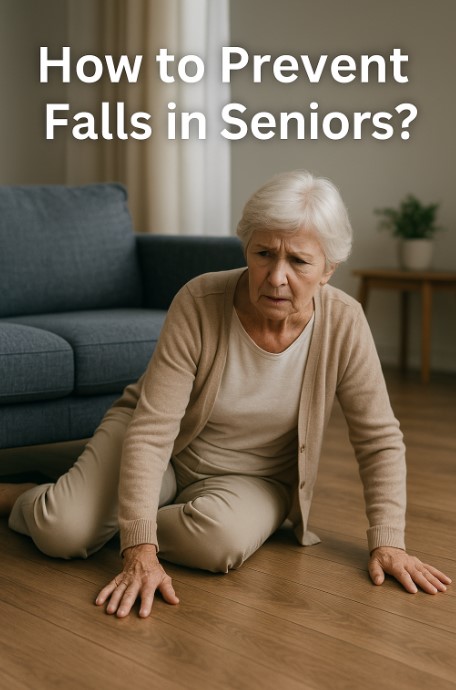
Falls are one of the most common and dangerous risks for older adults in the United States. A single fall can lead to serious injury, long recovery, or long-term loss of independence. For seniors who live alone or spend time without supervision, a fall alert system can play a critical role in getting help quickly.
This guide explains how to choose a fall alert for seniors in the USA, what features matter most, how different systems work, and how to avoid common mistakes.
What Is a Fall Alert System for Seniors
A fall alert system for seniors is a type of medical alert device designed to detect falls or allow a senior to call for help during an emergency. Most systems use a wearable device, such as a pendant or wristband, with a built-in emergency button. Some systems also include automatic fall detection, which can trigger an alert even if the senior cannot press the button.
Fall alert systems are commonly used by seniors who live independently, seniors with mobility issues, and families who want reassurance that help can be reached quickly in case of an emergency.
Why Seniors in the USA Need a Fall Alert System
Falls are a leading cause of injury among older adults in the United States. According to public health data, millions of seniors experience falls each year, and many of these incidents happen at home. When a fall occurs and no one is nearby, response time becomes critical.
A fall alert system helps reduce the time between a fall and emergency assistance. Faster response can lower the risk of complications such as dehydration, hypothermia, or prolonged injury. For seniors living alone, a fall alert system can be an important safety measure that supports independence rather than limiting it.
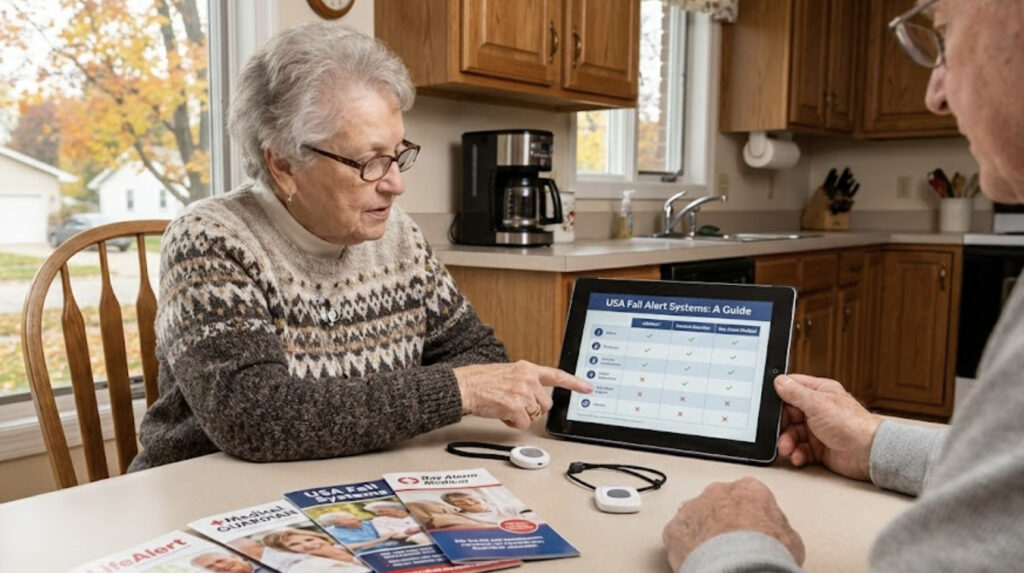
How a Fall Alert System Works
Most fall alert systems follow a similar process.
The senior wears a device around the neck or on the wrist. If the senior presses the emergency button, the system sends an alert through a base unit or cellular connection. With automatic fall detection, the device uses motion sensors to identify a sudden fall and may trigger an alert automatically.
Once an alert is sent, the system attempts to connect the senior to an emergency response service or predefined contacts. Depending on the setup, this may include trained operators, family members, or caregivers. The goal is to confirm the situation and send help if needed.
Types of Fall Alert Systems for Seniors
Different fall alert systems are designed for different lifestyles. Understanding these categories can help narrow down the best option.
Wearable Fall Alert Devices for Seniors
Wearable fall alert devices are the most common option. These are usually pendants worn around the neck or wristbands worn like a watch. They are lightweight and designed to be worn throughout the day.
Wearable devices are suitable for seniors who want a simple solution and are comfortable wearing a device at all times. Some models include automatic fall detection, while others rely on a manual emergency button.
In-Home Fall Detection Systems
In-home fall detection systems are designed for seniors who spend most of their time at home. These systems may use motion sensors, wall-mounted devices, or a base unit connected to a landline or cellular service.
These systems do not require the senior to wear a device constantly, but they may have limitations outside the home. They are often best for seniors with very limited mobility or those who prefer not to wear a wearable device.
Mobile Fall Alert Systems with GPS
Mobile fall alert systems use cellular connectivity and often include GPS tracking. These systems are designed to work both inside and outside the home.
For active seniors who go for walks, run errands, or travel, a mobile fall alert system can provide broader coverage. GPS tracking can help responders locate the senior if an emergency occurs outside the home.
Key Features to Look for in a Fall Alert System for Seniors
Not all fall alert systems offer the same level of protection. Certain features are especially important for seniors in the USA.
Automatic Fall Detection
Automatic fall detection allows the system to send an alert without requiring the senior to press a button. This feature can be critical if the senior is unconscious, injured, or unable to move.
It is important to understand that fall detection technology is not perfect. Some falls may not be detected, and some non-fall movements may trigger false alerts. Even so, automatic fall detection can add an important layer of safety.
24/7 Emergency Monitoring Services
Many fall alert systems include 24/7 emergency monitoring. This means alerts are handled by trained operators who can assess the situation and contact emergency services if needed.
In the USA, reliable emergency monitoring can make a significant difference in response time. Families should confirm whether monitoring is continuous and how quickly alerts are handled.
Ease of Use for Seniors
A fall alert system should be simple to use. Seniors should be able to press one button without navigating menus or complex controls.
Devices that require frequent adjustments or complicated setup may be difficult for seniors with memory issues or limited dexterity. Simplicity is often more important than advanced features.
Comfort and Wearability
Comfort affects whether a senior will actually wear the device. A fall alert device should be lightweight and comfortable enough to wear all day and night.
Many falls occur in the bathroom, so water resistance is also important. Devices that can be worn in the shower provide better overall protection.
GPS Location Tracking
GPS tracking is especially useful for seniors who spend time outside the home. If an emergency occurs outdoors, GPS can help responders or family members find the senior more quickly.
For seniors who rarely leave home, GPS may be less important. The decision should be based on daily habits and lifestyle.
Battery Life and Charging
Battery life varies between devices. Some fall alert systems require daily charging, while others last several days or longer.
Families should consider whether the senior can reliably charge the device. A long battery life and simple charging process can reduce the risk of the device being unavailable during an emergency.
In-Home vs Mobile Fall Alert Systems: Which Is Better for Seniors
There is no single best option for every senior. In-home systems are often suitable for seniors who stay at home and want minimal interaction with technology. Mobile systems are better for seniors who remain active and want coverage wherever they go.
When choosing between these options, consider how often the senior leaves home, whether they travel alone, and how important GPS tracking is for their situation.
How Much Does a Fall Alert System Cost in the USA
The cost of a fall alert system in the USA typically includes the device itself and, in many cases, a monthly monitoring fee. Prices vary depending on features such as automatic fall detection, GPS, and monitoring services.
Some systems require long-term contracts, while others offer more flexible arrangements. Families should review what services are included and whether there are additional fees for activation, cancellation, or equipment replacement.
Fall Alert Systems Without Long-Term Contracts
Not all families want to commit to long-term contracts. Some fall alert systems offer flexible plans or alternative billing models.
When comparing options, it is important to understand what level of support is included and how emergencies are handled. Flexibility can be valuable, but it should not come at the cost of reliability or response quality.
How BeWellAlert Helps Seniors Stay Safe
BeWellAlert is designed to support senior safety with a focus on simplicity and reliability. The system is intended for seniors who want to live independently while maintaining access to emergency support.
BeWellAlert Features for Seniors
BeWellAlert focuses on easy-to-use emergency alerts, dependable response options, and a design that fits into daily life without unnecessary complexity.
Who BeWellAlert Is Designed For
BeWellAlert is suitable for seniors living alone, families who want peace of mind, and caregivers who want a practical safety solution that does not interfere with independence.
How to Choose the Right Fall Alert System for a Senior
Choosing the right fall alert system involves a few clear steps.
Step 1: Determine the Senior’s Daily Lifestyle
Start by assessing whether the senior spends most of their time at home or regularly goes outside. This helps determine whether an in-home or mobile system is more appropriate.
Step 2: Choose Automatic or Manual Fall Detection
Consider whether automatic fall detection is necessary based on health, mobility, and fall risk. Seniors at higher risk may benefit more from automatic detection.
Step 3: Decide Between In-Home or Mobile Coverage
Choose a system that matches where protection is needed. Some seniors need coverage only at home, while others benefit from protection everywhere.
Step 4: Compare Emergency Monitoring Options
Review how alerts are handled, whether monitoring is available 24/7, and how family members are notified during an emergency.
Step 5: Check Comfort, Battery Life, and Ease of Use
Make sure the device is comfortable, easy to operate, and simple to charge. A device that is not worn or powered cannot provide protection.
Who Should Use a Fall Alert System
Fall alert systems are especially useful for seniors living alone, seniors with mobility challenges, and families who want to reduce emergency response time. They can provide reassurance without limiting independence.
Who May Not Need a Fall Alert Device
Seniors who receive constant in-person care or live in medical facilities with continuous supervision may not need a personal fall alert device. In these cases, existing care systems may already provide sufficient coverage.
Common Mistakes When Choosing a Fall Alert System
A common mistake is choosing a device that is too complex. Another is focusing only on price while ignoring reliability and response time. Some families also overlook the importance of comfort and battery life, which can affect whether the device is used consistently.
Frequently Asked Questions About Fall Alert Systems
What is the best fall alert system for seniors in the USA?
The best system depends on lifestyle, fall risk, and personal needs. Many families prioritize automatic fall detection, ease of use, and reliable monitoring.
Do fall alert systems work outside the home?
Yes, mobile fall alert systems with cellular connectivity and GPS can work outside the home.
What happens if a senior falls and cannot press the button?
With automatic fall detection, the system may trigger an alert without manual input.
Are fall alert systems reliable?
They can be reliable when properly designed and supported, but no system is perfect. Testing and understanding limitations are important.
Can family members receive alerts?
Many systems allow family members or caregivers to be notified, depending on configuration.
Do fall alert systems require monthly fees?
Many systems include monthly fees for monitoring and connectivity, though pricing models vary.
Are fall alert systems covered by Medicare or insurance?
Coverage varies. Traditional Medicare usually does not cover most systems, but some Medicare Advantage plans may offer benefits.
Final Thoughts on Choosing a Fall Alert for Seniors
Choosing a fall alert system for a senior in the USA is about balancing safety, independence, and simplicity. The right system can reduce risk, shorten response time, and provide peace of mind for both seniors and their families.