Life after 60 is a stage of adulthood where maintaining mobility, cognitive clarity, and independence becomes the primary driver of long-term well-being. Quality of life after 60 depends far more on daily habits than on chronological age alone.
More Than Just Getting Older
Turning 60 marks a genuine shift — not a decline. Some people retire or slow down professionally. Others move, take on new family roles, or rediscover passions they’d set aside for decades. Physically, changes become more noticeable: metabolism adjusts, sleep lightens, muscle mass gradually decreases.
But here’s what the research consistently shows: age alone doesn’t determine quality of life. Your habits do.
In midlife, well-being tends to orbit around productivity and career. After 60, it becomes something richer — built on physical independence, mental clarity, meaningful relationships, and a sense of purpose. The good news is that most of these are within your control.

The Risks Worth Taking Seriously
To protect your independence and overall quality of life after 60, it helps to know what threatens it most. The leading culprits are falls, social isolation, unmanaged chronic conditions, poor sleep, and cognitive decline.
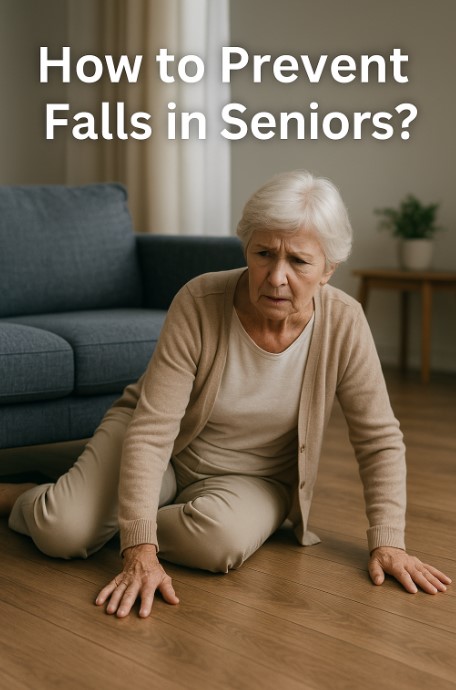
Of these, falls deserve special attention. They’re not minor mishaps — they’re one of the leading causes of hospitalization in older adults, and the fear of falling can be just as damaging as a fall itself, causing people to move less, which accelerates the very decline they’re trying to avoid.
The encouraging truth: every one of these risks is reducible.
Physical Health: The Core of Independence
After 60, muscle naturally declines — a process called sarcopenia. Without strength and balance training, this decline accelerates, quietly eroding stability and reaction time.
Regular resistance exercise and daily walking aren’t about performance or looking a certain way. They’re about staying upright, staying mobile, and staying in your own home on your own terms. Protecting mobility is one of the strongest predictors of quality of life after 60.
Movement after 60 is preventive medicine.
Nutrition: Fuel for Resilience
What you eat directly affects muscle maintenance, heart health, brain function, and how quickly your body ages at a cellular level.
Protein becomes particularly important — it helps slow muscle loss. Anti-inflammatory foods (vegetables, whole grains, healthy fats, lean proteins) are consistently associated with better long-term outcomes.
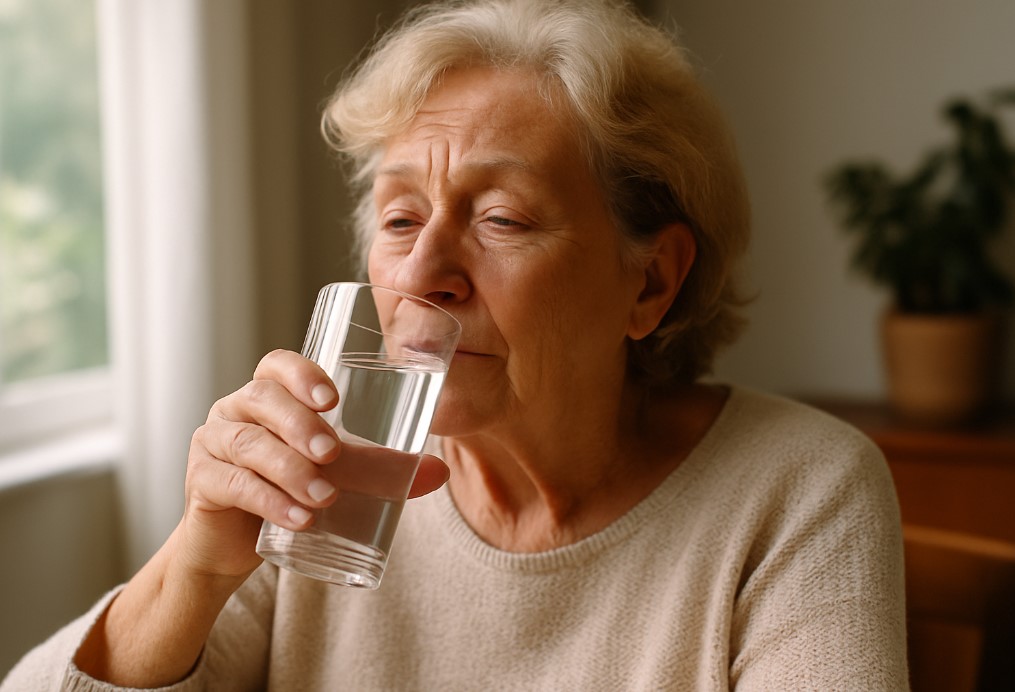
One often-overlooked issue: hydration. The thirst mechanism weakens with age, making mild chronic dehydration surprisingly common — and it quietly impairs balance, concentration, and energy. Drink water regularly, not just when you’re thirsty.
Eating well after 60 isn’t about restriction. It’s about giving your body what it needs to stay resilient.
Sleep: Your Body’s Repair System
Sleep changes with age — it often becomes lighter and more fragmented. But the need for 7–8 hours of restorative rest doesn’t change. Chronic sleep disruption raises blood pressure, impairs blood sugar regulation, affects mood, and accelerates cognitive decline. It also increases fall risk.
Small behavioral adjustments can make a meaningful difference: keeping a consistent sleep schedule, getting natural light during the day, limiting screens in the evening, and sleeping in a cool, dark room.
Sleep is a multiplier. Fix it, and almost everything else gets easier.
The Brain Stays Adaptable
Neuroplasticity doesn’t stop at 60. The brain continues to rewire itself in response to learning, challenge, and stimulation.
Cognitive decline risk rises primarily when mental engagement drops. Learning new skills, staying socially active, solving problems, and cultivating curiosity all strengthen neural networks. Physical activity amplifies this effect.
Curiosity, it turns out, is protective.
Social Connection Is Healthcare
Loneliness isn’t just unpleasant — it’s a documented health risk. Social isolation is associated with higher mortality, increased cardiovascular risk, and faster cognitive decline.
Strong relationships and regular interaction — through volunteering, community groups, family, or friendships — provide emotional resilience and genuine physical health benefits.
Connection isn’t a nice-to-have after 60. It’s preventive care.
Staying Ahead of Chronic Conditions
Many conditions that could reduce independence — hypertension, diabetes, osteoporosis, high cholesterol — don’t have to. When caught early and managed consistently, they rarely define a person’s quality of life.
Routine screenings, medication reviews, and staying current with your healthcare provider aren’t passive checkboxes. They’re how you protect your autonomy for years to come.
10 Strategies That Actually Move the Needle
- Build strength and balance — resistance and balance training are the most direct way to reduce fall risk
- Walk daily — even moderate walking supports heart health and joint stability
- Prioritize protein — aim for adequate intake to slow muscle loss
- Stay consistently hydrated — don’t wait for thirst
- Protect your sleep routine — consistency matters more than most people realize
- Stay socially engaged — regular connection is non-negotiable for healthy aging
- Keep learning new things — novelty strengthens the brain
- Manage chronic conditions proactively — don’t wait for symptoms to worsen
- Reduce fall hazards at home — safe spaces build confidence
- Maintain a sense of purpose — people with purpose live longer and report higher satisfaction
Confidence Is Part of the Equation
Independence isn’t just physical capability — it’s also the confidence to keep engaging with life. Fear of falling or having a health event alone causes many people to withdraw, and that withdrawal creates the very vulnerability they feared.
Physical stability, a safe home environment, and reliable access to help when needed all feed into something essential: the peace of mind to keep living fully.
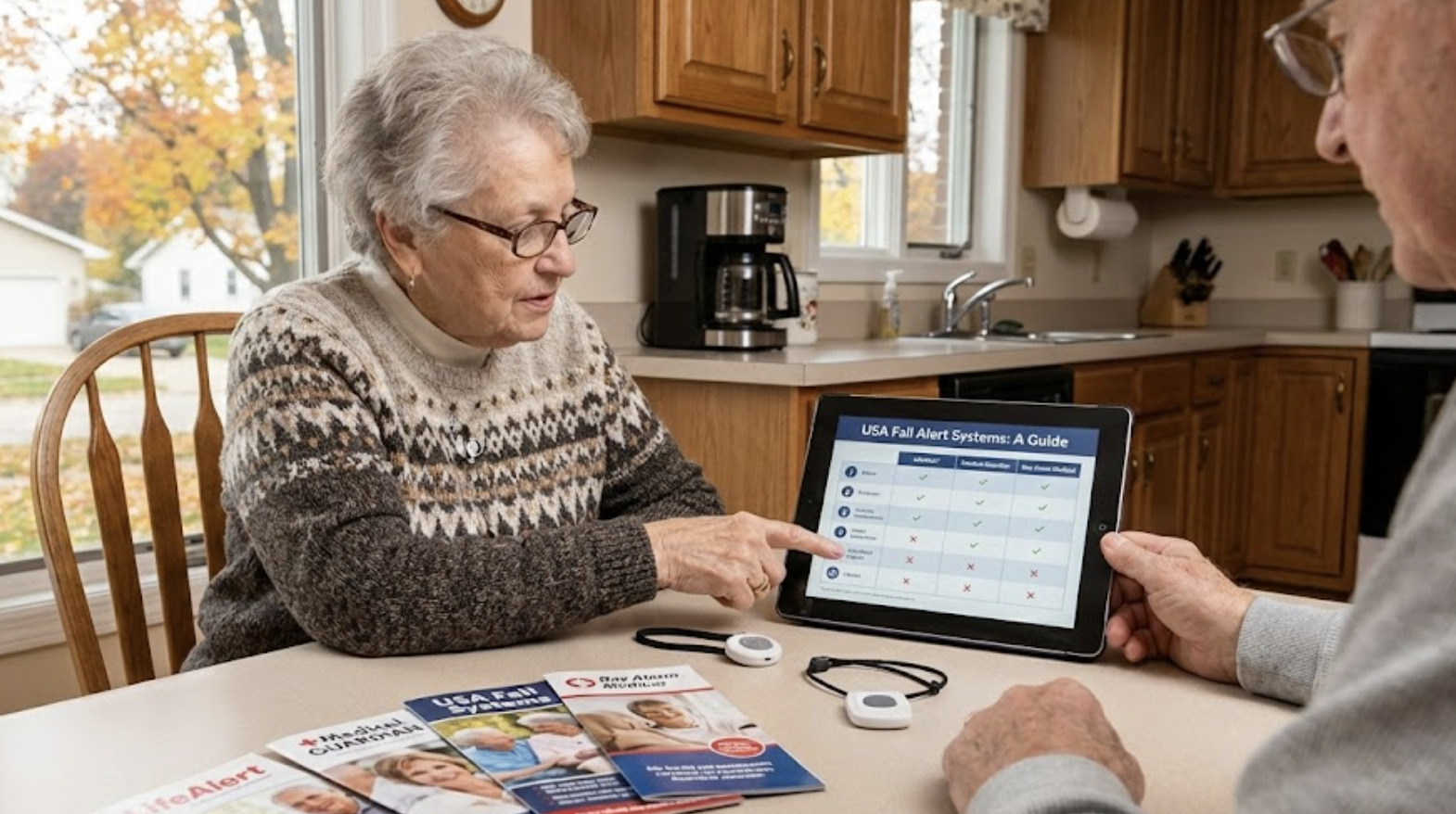
For many older adults, wearable medical alert devices can provide that additional layer of confidence. A discreet smartwatch-style alert system or a lightweight mobile medical alert device allows users to quickly call for help in case of a fall or emergency — without limiting mobility or independence.
Purpose Makes the Difference
A strong sense of purpose is one of the most consistent predictors of longevity and life satisfaction in later adulthood. It can come from mentorship, creative work, caregiving, learning, or community involvement.
Aging well doesn’t mean resisting change. It means adapting with intention — and staying directed.
Frequently Asked Questions
What’s the most important thing to focus on after 60?
Mobility. Strength and balance are the foundation of everything else — they reduce fall risk, support independence, and make it easier to stay active in all the other ways that matter. If you’re going to start somewhere, start there.
Is it too late to start healthy habits after 60?
Not at all. Research consistently shows that people who adopt healthier habits in their 60s still significantly reduce their risk of chronic disease and functional decline. The body responds to positive change at any age — the best time to start is now.
What are the biggest health risks after 60?
The most impactful ones are falls, social isolation, unmanaged chronic conditions, and poor sleep. What makes them particularly dangerous is that they tend to compound each other — poor sleep increases fall risk, isolation accelerates cognitive decline, and so on. Addressing even one of them creates a ripple effect.
Can I realistically maintain my independence long-term?
Yes — and people do it regularly. The key ingredients are consistent physical activity, proactive health management, a safe home environment, and staying socially and mentally engaged. Independence doesn’t disappear overnight; it erodes gradually through neglect of these areas, and it can be preserved the same way — gradually, through consistent effort.
How does social connection actually affect physical health?
More directly than most people expect. Loneliness and isolation are associated with higher rates of cardiovascular disease, cognitive decline, and even early mortality. Social engagement appears to reduce inflammation, buffer stress responses, and support immune function. It’s not just good for your mood — it’s good for your biology.
What’s the single easiest change someone can make today?
Go for a walk. Daily walking is one of the most well-supported, accessible interventions for cardiovascular health, joint stability, mood, and cognitive function. It requires no equipment, no gym membership, and no prior fitness level. Most people can start today.
The Bottom Line
Life after 60 is shaped by adaptability, not limitation. Independence depends on staying physically strong, mentally engaged, socially connected, and proactive about health.
Small daily choices compound over time. And with the right habits, later life can be stable, purposeful, and genuinely fulfilling.